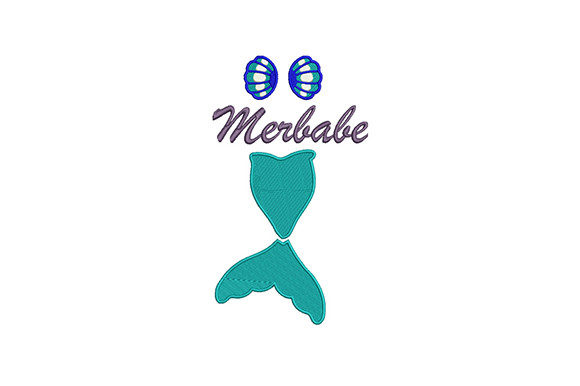
Merbabe: A Fishing and Camping Embroidery Review for Real Projects
As someone who stitches designs onto actual products for clients and my own shop, I don’t judge a machine embroidery design by its preview image alone. I judge it by how it looks on fabric, how it feels in the hoop, and what kind of project it truly belongs to. Let’s talk about Merbabe, a design described as fun and creative, perfect for fishing or camping projects.
The Personality and First Impression
The immediate charm of Merbabe is its playful, character-driven vibe. It’s not just a generic icon; it’s a design that promises to inject personality. For a camping-themed embroidery file, this is crucial. It suggests a story—maybe a favorite nickname for a fishing buddy, a mascot for a family camping trip, or a lighthearted logo for an outdoorsy brand. The layout feels approachable, likely with a central motif that’s more illustrative than purely graphic. This visual personality is its biggest asset: it turns a simple piece of fabric into something with narrative.
Where Merbabe Stitches Out Beautifully
This design isn’t destined for a sampler folder; it’s meant for products that tell a story. I’m thinking through real applications immediately. Stitched onto a heavyweight canvas tote bag, it would create a perfect, personalized gift for a camping enthusiast—functional and full of character. On the breast of a cotton sweatshirt or a flannel shirt, it becomes a custom apparel piece with a friendly, handmade touch. For a small business owner or Etsy seller specializing in outdoor-themed merchandise, this could be a core design asset for a line of products: embroidered patches for backpacks, aprons for the camp cook, or even nursery decor for a little adventurer’s room.
Its "stitch out beautifully" promise hinges on clarity. For a baby item like a personalized baby blanket or a little jacket, the design’s fun nature would be a hit, provided the stitch density is appropriate for softer fabrics. On a kitchen towel or pillow cover in a cabin, it adds that crafted, cozy feel. As a holiday gift for a father or grandfather who loves fishing, embroidered onto a cap or a tea towel, it moves beyond decoration to become a meaningful, engaged gift.
Considering Commercial Use and Customer Trust
If you’re a creative entrepreneur using this for commercial embroidery, Merbabe’s appeal translates directly to customer trust. A clean, well-defined stitch-out on a product signals care and professionalism. A boutique selling handmade camping gifts could use this embroidery design across a range of items, building brand consistency. In a digital product preview or printable mockup for your shop listing, a design with strong visual personality like this helps potential buyers instantly connect with the finished product.
The Practicalities of Hoop and Fabric
Here’s where an experienced designer’s practical judgment comes in. The description says it will stitch onto "any fabric that needs some character," but we know that’s not a blanket statement. For a design like this, likely with some detail, careful fabric selection is key.
On textured fabrics like some blankets or thick towels, fine details might get lost. On thin or stretchy fabric, like a t-shirt, you’ll need the right stabilizer strategy to prevent puckering and maintain that "beautifully" promise. Dark fabric backgrounds require thoughtful thread color contrast—a test on scrap fabric first is non-negotiable to ensure the fun mood isn’t muted by poor color choices.
Curved surfaces, like caps, are a fantastic application for a playful design, but you must check the design’s suitability for the smaller hoop size and potential distortion on seams. Similarly, if the design includes tiny lettering or dense stitch areas, they need to be inspected before committing to a final project. The goal is a crisp result that enhances the product’s value, not a blurry one that detracts from it.
Designer Notes for a Successful Project
Before loading this embroidery file for a client’s custom sweatshirt or your next craft fair product, run through these steps. They save time, thread, and reputation.
- Test on Scrap: Use leftover fabric identical to your project fabric. Check stitch density, clarity of small details, and overall impact.
- Color Contrast Check: Stitch a snippet on both light and dark scraps. Does the personality shine on both? Consider creating black and white mockups to see the form independently of color.
- Confirm the Foundation: Hoop size, stabilizer choice, and machine compatibility are paramount. While the description doesn’t list specifics, you must verify these from the file information before starting.
- Consider the End Use: Is the finished product for personal use, a personalized gift, or for sale? This affects your approach. If selling the embroidered items, confirm the licensing terms of the digital embroidery file for commercial use.
- Think Long-Term: For products needing frequent washing, like baby clothes or kitchen towels, a robust stitch structure with secure satin stitches or fill stitches is important. Your test will reveal this.
When Merbabe Might Need a More Careful Approach
This design’s creativity is its strength, but that often comes with complexity. On very small hoop sizes, some charming details might become too fine, risking broken stitches or unclear shapes. Layered garments with pockets or seams require planning to avoid stitching over difficult areas. If the design has intricate corners or decorative accents, they might need a slower stitch speed or adjusted tension on certain fabrics. The key is to match the design’s ambition with your project’s practical constraints.
The Final Verdict for Makers and Businesses
Merbabe, from a professional standpoint, isn’t just another camping embroidery design. It’s a character piece. Its value lies in transforming a basic fabric item—a tote bag, a cap, a pillow—into a conversation piece. For a small shop product or an Etsy listing, that translates directly to buyer engagement and giftability. It feels specific, not generic.
For the embroidery designer or decorator, success with this file comes from respecting its creative detail by pairing it with the right fabric, the right stabilizer, and the right product concept. Don’t just stitch it; place it where its story makes sense. When you do, it will indeed stitch out beautifully, adding exactly the kind of character your project, your client, or your customer is looking for. That’s the mark of a worthwhile embroidery design for real-world use.