Baby Kiss Embroidery Design Review for Real Projects
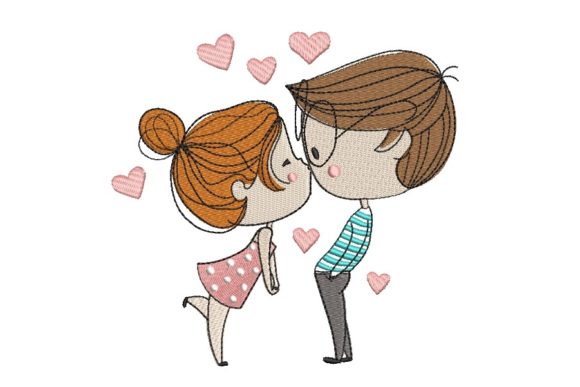
When an embroidery file lands on my desk for a pre-project review, my first question is always: what’s the genuine personality here? With Baby Kiss, the impression is immediate. It’s sweet, undeniably tender, and carries a gentle romantic innocence that feels timeless. The design’s theme and layout suggest a classic, heartfelt motif—it’s not loud or trendy, but quietly charming. That visual personality makes it a natural fit for projects where emotion and softness are the goal.
The Mood It Creates on Fabric
I imagine stitching Baby Kiss onto a simple cotton tote bag intended as a wedding gift for a close friend. The mood it would create is one of pure affection. This isn’t a design shouting for attention; it’s a quiet, original touch that elevates the fabric. On a baby’s blanket or a nursery pillow cover, it would feel appropriately innocent, adding that lovely touch without being overly cluttered. For crafters and small business owners, this emotional resonance is key—it translates into a product that feels meaningful, which is a powerful driver for customer engagement and giftability.
Where Baby Kiss Shines in Real-Life Projects
Let’s walk through some concrete scenarios. As an apparel decorator preparing a custom embroidered sweatshirt for a boutique, Baby Kiss would offer a delicate focal point. Its likely use of satin stitch for outlines and fill stitch for details would provide clean definition on fleece or cotton blends. For an Etsy seller creating personalized baby items—like a little kimono or a keepsake bib—the design’s inherent innocence aligns perfectly with the category. It feels classic, not generic, which helps build customer trust in your handmade presentation.
Thinking broader, as a digital product seller offering printable mockups of caps or aprons, Baby Kiss serves as a versatile design asset. It could adorn a kitchen towel for a housewarming gift or become a subtle branded element on a small shop’s staff apron. For holiday gifts, like a monogrammed pillow cover paired with this design, it adds a romantic layer. In commercial embroidery projects for a children’s brand, it could work well on lightweight blankets or simple patches, provided the stitch density and detail level are appropriate for larger runs.
Careful Application: When to Think Twice
Every design has its ideal home and its trickier applications. Given its likely delicate details, Baby Kiss would need careful consideration on textured fabrics like thick terry cloth or looped blankets—small details might get lost. On very thin or stretchy fabric, such as a fine t-shirt, stabilizer choice becomes critical to maintain shape. I’d also be cautious about using it on dark fabric backgrounds without a thorough test; lighter thread colors on dark grounds require perfect stitch coverage to keep the design’s innocence intact.
For curved surfaces like caps, the design’s layout and any potential tiny lettering would need inspection in a test hoop to ensure no distortion. Similarly, for products destined for frequent washing, like baby clothes or kitchen towels, the stitch density should be checked to avoid overly dense areas that could stiffen the fabric or wear unevenly. The key is remembering that a design’s visual appeal on screen must translate to stitching clarity on the final product.
How It Impacts Your Craft Business
From a business perspective, using a design like Baby Kiss affects more than just the stitch. It influences product value and brand consistency. For a handmade shop owner specializing in boys’ embroidery or romantic gifts, this design could become a signature element, lending a cohesive, professional feel to your line. Its giftability is high—it feels personal without needing a custom name, which broadens its market. For recognition, a well-executed version on a tote bag or sweatshirt becomes a subtle advertisement for your craftsmanship, encouraging buyer engagement and repeat customers.
Practical Designer Notes Before You Hoop
Before committing Baby Kiss to a client’s baby blanket or your next craft fair product batch, run through these real-world checks. First, always stitch it out on scrap fabric identical to your final project material. This reveals everything: thread color contrast, the behavior of small details, and the true stitch density. Please check the provided embroidery file formats for your machine compatibility and confirm the effective hoop size required—this is not always obvious from the preview.
Inspect the design closely in your software. Look for any corners or decorative accents that might require manual adjustment. Test the design in both black and white mockups to gauge its impact on light and dark backgrounds. This simple step prevents surprises. Use the proper stabilizer for your chosen fabric; a delicate design like this depends on a stable foundation. Finally, a crucial note for commercial use: confirm the licensing terms before selling finished items or incorporating it into digital products. Understanding whether it’s cleared for personal and commercial projects protects your business.
Final Thoughts on Stitching It Out
Baby Kiss, from my designer’s viewpoint, is a charming embroidery design that promises to add a lovely, romantic touch with a sense of original innocence. Its strength lies in that emotional core. For machine embroidery designers, small business owners, and makers, it represents a reliable asset for projects where warmth and tenderness are the message. Whether you’re decorating custom apparel, creating embroidered patches, or developing holiday gifts for your boutique, its success hinges on your practical preparation. Test it, know your fabric, and choose projects that match its gentle personality. That’s how a digital embroidery file transforms into a finished product that truly resonates.