Autumn Falling Leaves: A Designer's Practical Review for Real Projects
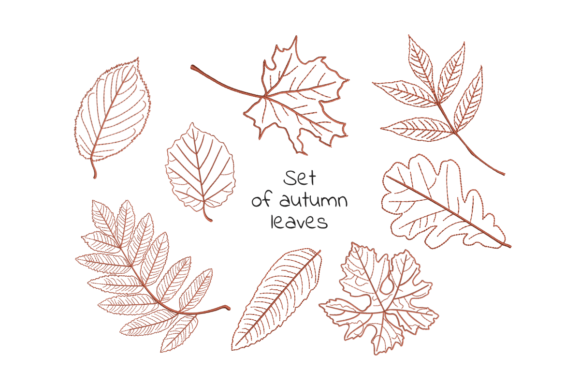
When a new embroidery file lands on my desk, my first thought isn't just about the design itself. It's about the project it could become. The moment I opened Autumn Falling Leaves, I stopped thinking about pixels and stitches and started imagining the final product. This design isn't just a collection of shapes; it’s a mood. The elegant, scattered leaf arrangement immediately conjures a sense of gentle transition, of cozy magic, and that warm, familial happiness mentioned in its description. It feels sophisticated yet approachable—a perfect balance for the kind of handmade items that resonate with customers.
The Immediate Mood and Project Potential
The layout of these fallen leaves is beautifully organic. There’s no rigid symmetry, which is a huge plus. It lends itself to a more artistic, free-flowing finish on fabric. This isn't a bold, graphic statement; it's a soft, decorative accent. I instinctively pictured it on the corner of a linen pillow cover, or scattered across the fabric of a lightweight canvas tote bag. The detail level suggests it would translate well into satin stitch outlines and fill stitch areas for the leaf bodies, creating a lovely texture without being overwhelmingly dense. Its visual personality is quiet and elegant, making it a natural fit for gifts and boutique-style merchandise.
Where This Design Excels in Real-World Embroidery
Let’s talk practical application. I'm mentally testing it across a range of my usual client projects and small shop products. For custom apparel, like a heavyweight cotton sweatshirt or a soft flannel shirt, this design would sit beautifully on a sleeve or the lower back. It adds a touch of seasonal personality without dominating the garment. For personalized gifts, imagine it embroidered onto a high-quality tea towel or a premium apron—it elevates a simple kitchen item into a cherished holiday or wedding gift.
As an Etsy seller or craft business owner, this design is a versatile asset. It could be the focal point on a baby blanket or nursery decor piece, offering that symbolic 'family happiness' in a subtle, stylish way. Stitched onto a cap, provided the curves are handled with proper stabilizer, it would create a unique, nature-inspired accessory. For digital product sellers, the design itself has a clean, appealing look that would work well in printable mockups, showcasing potential finished products like patches or tote bags.
A Specific Scenario: The Boutique Tote Bag
Here’s a real case I'm considering: a limited-run tote bag for my small shop this fall. Using Autumn Falling Leaves embroidered in a rich, copper-colored thread on a natural canvas bag. The scattered layout means I can position it off-center for a modern look. The finished product would feel handmade and high-value, aligning perfectly with a boutique brand aesthetic. I can already anticipate customer reaction—it’s that recognizable autumnal theme, executed with a clarity and elegance that builds trust in the craftsmanship.
Careful Application: Where to Pay Attention
No design is universally perfect, and a professional review requires honest notes. The organic shape with likely detailed corners means hoop size is crucial. On very small hoop sizes, some of the finer leaf tips might lose clarity, so testing on scrap fabric first is non-negotiable. While it seems adaptable, textured fabrics like thick sweaters or stretchy fabrics for baby clothes will demand the correct stabilizer to maintain that clean shape.
On dark fabric backgrounds, thread color contrast becomes paramount. You’d need to choose lighter, vibrant autumn hues to make the design pop. The description mentions 'magic and family happiness,' which is lovely, but for commercial embroidery projects or items needing frequent washing, you must ensure the stitch density is appropriate for the fabric to withstand wear without pulling. Always inspect those small details in a test run.
Impact on Your Business and Craft
From a commercial perspective, Autumn Falling Leaves affects more than just the stitch. Its visual appeal directly influences product value. A well-executed embroidery of this design on a simple pillow cover transforms it from a commodity into a decorative, giftable item. It enhances handmade presentation and, if used consistently across a product line, can contribute to brand consistency for a creative entrepreneur.
For engagement, it’s a design that tells a quiet story. That storytelling element boosts buyer engagement in an Etsy listing or at a craft fair. People connect with the theme. From a professionalism standpoint, using a design with this level of apparent care in its composition reflects well on you as a maker. It shows you select your design assets thoughtfully.
Essential Designer Notes Before You Stitch
Before you load this machine embroidery design and start a project, here’s my practical checklist. First, absolutely test it on a scrap of your intended project fabric. This reveals everything: actual stitch density, how small details like leaf veins render, and whether your chosen thread colors work. Second, check it in both black and white mockups or stitch it out on light and dark fabric scraps to understand its contrast needs.
Third, confirm the technical details that weren't provided in the description: the exact hoop size required, file formats for your machine, and most importantly, the licensing terms. Before selling any finished product or incorporating it into commercial embroidery projects, you must confirm you have the correct license for that use. This is a critical step for digital embroidery file usage.
Use proper stabilizer for your specific fabric texture—this will preserve the design's elegance. And finally, think about placement on the final product. On a curved surface like a cap, consider a simplified or centered arrangement of the leaves. On an apron or kitchen towel, perhaps a cluster near the hem. Let the design’s natural flow guide you, but always adapt it to the product’s function and form.
In summary, Autumn Falling Leaves presents a strong, versatile starting point for a multitude of autumn-themed projects. Its mood is its greatest strength. By approaching it with these practical considerations—testing, adapting to fabric, and verifying licenses—you can transform this embroidery file into finished products that genuinely capture that feeling of cozy, magical fall and, ultimately, bring that happiness to your customers and their families.