FSL Loki Helmet: A Designer’s Practical Review
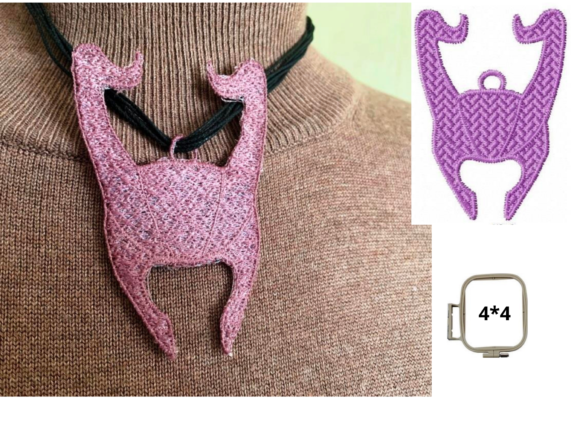
When a new embroidery design lands in my library, my first question isn’t about its specs—it’s about its character. The FSL Loki Helmet design immediately presents a distinct, sharp personality. It’s not just a mythological accessory; it’s a statement piece with intricate, angular lines that evoke mischief and cleverness. The visual mood is bold and mythic, perfect for projects that need a touch of dramatic flair rather than gentle whimsy. This isn’t a design I’d automatically put on a baby’s blanket. It belongs on items for an audience that appreciates lore, legend, and a bit of edge.
Where This Helmet Finds Its Home
Thinking about real projects, I picture this design on a custom black sweatshirt for a cosplay enthusiast, or as a striking, freestanding lace patch applied to a leather tote bag. The detail level suggests it would excel on surfaces where its complexity can be appreciated without competing with other patterns. For my craft business, it feels ideal for specialized merchandise: limited-run apparel, convention gear, or unique decorative patches for jackets. As an Etsy seller, I’d pair it with products targeting fans of Norse mythology, fantasy, or modern Viking aesthetics. Its theme naturally elevates a simple garment into a niche, fan-centric item.
Imagine a client requesting a personalized gift for a Marvel or mythology lover. An embroidered pillow cover or a framed freestanding lace art piece featuring this Loki Helmet could be that perfect, conversation-starting present. The design’s layout, with its pronounced horns and detailed contours, promises a finished product with strong visual impact, increasing its giftability and perceived value in a handmade presentation.
Performance on Real Fabrics and Products
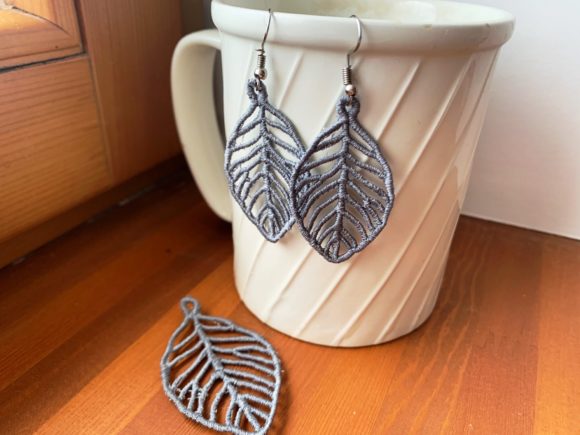
In practical embroidery, the success of a design hinges on how it translates from screen to stitch. For the FSL Loki Helmet, the freestanding lace technique is key. This means it’s designed to be stitched on stabilizer and then applied, offering fantastic flexibility. I’d test it first as a patch on a denim apron or a cap’s curved surface. On a flat, sturdy fabric like a canvas tote bag, it should hold its shape and detail beautifully.
However, its intricate angles and likely dense fill stitch areas demand attention. On thinner or stretchy fabrics—think a lightweight t-shirt—direct embroidery without a patch might risk distortion or puckering unless the stabilizer is absolutely perfect. For custom apparel like sweatshirts, using a solid, medium-weight fabric as a base will ensure the stitches lay flat and the design’s sharp lines remain crisp, protecting that professional finish.
A Note on Visual Appeal and Customer Trust
A well-executed FSL Loki Helmet elevates a product. The clarity of the stitching, especially in the helmet’s defining lines, communicates quality. For a small shop product, that clarity builds customer trust; it shows care and technical skill. In a boutique setting or at a craft fair, this kind of detailed, theme-specific work can define your brand’s consistency as a source for unique, well-made items. It engages buyers who are looking for something beyond generic decoration.
Spots to Approach with Care
Every design has its sweet spots and its tricky zones. Given its likely complexity, I would be cautious about hooping this design in a very small hoop size. The detail might get compressed, losing its impact. Similarly, embroidering it directly onto highly textured fabrics or dark backgrounds without thorough testing could obscure its fine elements. Thread color contrast is paramount—using a metallic or contrasting thread on dark fabric could make it pop, but a poor choice could render it muddy.
For products destined for frequent washing, like kitchen towels or everyday caps, applying it as a robust, well-secured patch would be wiser than direct embroidery to ensure longevity. The design’s personality deserves a setting where it won’t degrade quickly.
The Designer’s Checklist Before Stitching
Before I run this embroidery file for a client project or my own small business merchandise, my routine is practical and non-negotiable.
- Test on Scrap Fabric First: Always. I’d stitch it on both a light and a dark piece of scrap similar to my final product fabric. This reveals how the stitch density behaves and if any small details, like the helmet’s finer corners, get lost.
- Check Hoop Size and Stabilizer: While the product description highlights the freestanding lace technique, confirming the recommended hoop size from the file provider is essential for a clean stitch-out. The right stabilizer for FSL is critical.
- Review Thread Color Plan: I’d play with schemes—maybe classic golds and blacks for a traditional mythic look, or greens and silvers for a more Marvel-inspired vibe. Seeing it in a black and white mockup helps judge form separate from color.
- Confirm Licensing for Commercial Use: This is vital. Before selling any finished product or using it in commercial embroidery projects, I must verify the license terms of the digital embroidery file. Can I sell the physical items I make? This step protects my business and respects the designer’s work.
Final Thoughts for Makers and Entrepreneurs
The FSL Loki Helmet is a specialized tool in your embroidery arsenal. It’s not an everyday floral motif. Its value lies in serving a specific, passionate audience. For digital product sellers, it’s a strong design asset for customers looking for niche themes. For apparel decorators and creative entrepreneurs, it offers a path to create high-impact, low-competition products. Its practical success depends on respecting its technical demands—hooping, stabilization, and application method.
When stitched well, on the right product, it becomes more than an accessory; it’s a piece of storytelling. That’s the kind of embroidered patch or custom apparel detail that turns a simple sale into a memorable customer experience and a product that stands out in a crowded market. Approach it with a designer’s eye for detail and a business-minded respect for its niche, and it will perform beautifully.