The Fresh Acorn: A Simple & Sellable Embroidery Design
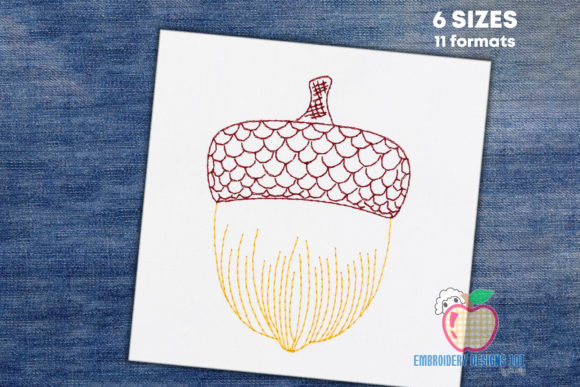
As I sit down to review embroidery files for my next craft fair booth, I’m always looking for that balance between visual charm and production practicality. The Fresh Acorn Fruit Line Art design, immediately, strikes a perfect note. It feels soft, rustic, and minimal—a trifecta that works incredibly well for handmade market products. This isn’t a loud, graphic statement; it’s a decorative whisper that suggests quality and thoughtfulness.
First Impressions: Rustic Minimalism for Market Appeal
The word “fresh” in the title, paired with “line art,” tells me this is likely a clean, outline-based design. That’s a huge advantage. At a bustling craft fair, customers scan tables quickly. A design that’s easy to understand at a glance—like a recognizable acorn—catches the eye without overwhelming it. It leans into the farmhouse and modern rustic trends without being kitschy. It feels premium precisely because it’s simple. This aesthetic translates beautifully across a wide range of products, from kitchen towels to pillow covers, creating a cohesive brand look for your booth.
Product Performance: Where This Acorn Shines
Let’s walk through my typical craft fair table. I need designs that adapt. The Fresh Acorn Fruit Line Art is wonderfully versatile.
On tea towels and aprons, especially in natural linen or cream cotton, this design becomes a subtle, elegant accent. It doesn’t fight with the fabric’s texture; it complements it. For tote bags and market bags, placed off-center, it acts as a tasteful focal point that elevates a simple bag into a giftable handmade product.
Pillow covers are another winner. A single acorn or a small, repeated cluster can create a serene, decorative look. On caps, however, I’d proceed with caution. The curved surface and often thicker fabric can distort small details. If the design has very dense stitch areas or tiny lines, it might lose clarity. Always test.
One of my favorite applications for this style is the embroidered patch. A clean line art acorn on a natural canvas patch appeals to a broad audience and can be sold as a standalone item or applied to apparel. For small pouches and giftable items, it adds that handmade quality touch without seeming bulky.
The Production Reality: Practical Notes for Sellers
This beautiful and simple embroidery description suggests ease, but an experienced embroidery designer never skips the prep work. Before committing to batch production for your craft fair products, you must create at least one real mockup.
- Test on Scrap Fabric: Run the machine embroidery design on the actual fabrics you’ll use: textured towels, smooth apron cotton, sturdy tote canvas. Check how the stitch density interacts with each.
- Thread Contrast & Color: On dark fabric, you’ll need bright, contrasting thread. On light fabric, a soft brown or green could be perfect. Compare fabric colors to your thread palette.
- Hoop Size & Stabilizer: The description doesn’t specify hoop size, so you must confirm this from the embroidery file itself. Using the correct stabilizer is critical for clean results on different materials.
- Review Spacing & Detail: Look closely at the digital embroidery file preview. Are there extremely tight corners or tiny details that might bunch up on textured fabric? Simple line art usually fares well, but inspect it.
- Commercial Licensing: The description says “this machine embroidery design comes with…” – but it doesn’t finish the sentence. Before selling any finished product, you must confirm the commercial licensing terms of the design. This is a non-negotiable step for any Etsy seller or small shop product.
Selling Power at the Booth & Online
At the fair, your display strength comes from variety and cohesion. Having a set of products—aprons, towels, a pillow—all featuring the Fresh Acorn Fruit Line Art creates a mini-collection that draws customer attention. It tells a story: rustic, kitchen, nature, calm. This increases perceived product value.
For your Etsy listings or online shop, this design is a photography friend. Simple, clean designs photograph well against attractive backgrounds, making your printable mockups and listing photos look professional. It feels repeatable for batch production because its simplicity likely means fewer thread color changes and consistent stitch outcomes, which is crucial when you’re producing dozens of items.
Will it work as a small accent? Absolutely. A tiny acorn on the corner of a napkin is charming. As a large focal design? Possibly, but scaling up line art requires checking that the lines don’t become overly thick or sparse. Its inherent minimalism means it can be adapted, but always test the specific size.
Final Designer Advice Before the Fair
The Fresh Acorn Fruit Line Art has all the hallmarks of a reliable, sellable design for handmade and commercial embroidery products. Its rustic minimalism hits a popular aesthetic, and its simplicity promises production ease. But your due diligence is key. Make that test run. Confirm the licensing. Choose your product applications wisely—focus on where its soft decorative quality shines, like kitchen textiles and simple apparel. With that groundwork done, this acorn can become a quiet, profitable star of your craft fair booth.