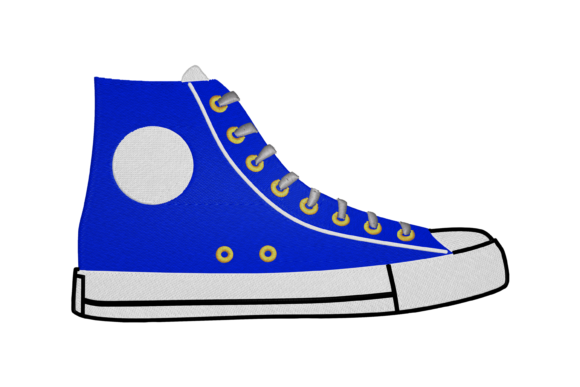
Shaping Brand Identity with a Simple Shoe Embroidery Design
As an embroidery designer who works daily with small businesses and creative brands, my first task is always to evaluate a new embroidery file. When I review a design like "Shoe," I look beyond its decorative appeal. My focus is on its potential as a versatile brand asset for merchandise, patches, and uniforms. The description promises a "cute and simple" design that works on various fabrics. This suggests a friendly, accessible, and playful visual personality. It feels handmade and classic, not overly intricate or modern, which can be a major advantage for businesses aiming for a warm, customer-friendly image.
The Business Appeal of a Simple Symbol
A straightforward symbol like a shoe can be surprisingly powerful for brand identity. For a small café, a shoe embroidery on staff aprons could subtly nod to the comfort of their space. For a boutique or handmade shop, a shoe embroidered onto tote bags becomes a charming, reusable shopping accessory. A creative studio could use it as a chest logo accent on work shirts, symbolizing a step in the creative process. Its simplicity makes it adaptable; it doesn’t scream a specific industry, allowing it to feel decorative while still carrying brand recognition. This universality is key for small business merch used across different contexts—customer gifts, event merch, or product packaging accents.
Performance in Real-World Embroidery Projects
Let’s talk about how this machine embroidery design performs in the hands of an apparel decorator or merch creator. The promise that it "will look good on any fabric" is promising, but requires practical verification. For embroidered patches, the simplicity of the design is a huge benefit. It should translate well to smaller sizes, crucial for cap fronts or sleeve details. For uniforms like work shirts or apron embroidery, its lack of excessive detail means lower stitch density, which is gentler on fabrics that endure frequent washing, like those used in bakeries or florists. On tote bags and hoodies, the design can act as a clean, branded mark.
However, its application needs careful planning. Even a simple design can have challenges. On curved surfaces like cap embroidery, you must ensure the design’s proportions remain balanced. For dark uniforms, thread color contrast is vital—a light-colored shoe on a dark fabric will pop, enhancing professionalism. You should always test it in black and white first to understand its core form. Creating a printable mockup for client approval before stitching is a non-negotiable step for any commercial embroidery project.
Strategic Placement for Maximum Impact
Where you place "Shoe" affects customer perception and product value. As a small patch on a product label for a pet brand or craft business, it adds a handmade presentation that elevates perceived value. On the chest of a jacket for a local business team, it provides visual consistency without being overwhelming. As a larger accent on a shopper bag, it becomes the primary design, engaging buyers directly. The key is to match the scale to the item’s purpose. A tiny, intricate version on a cap might lose definition, while a bold version on a bag can feel premium.
Notes for the Production-Ready Designer
Before loading this digital embroidery file into your machine for a client’s order, follow a disciplined review. Here are my practical notes:
- Check the actual file details. The description mentions it "comes with multiple embroider." This likely means multiple sizes or formats. Verify the available hoop sizes to match your project—a size for a patch and a size for a bag are different needs.
- Test on real fabric samples. Stitch it on the textures you’ll use: the canvas of a tote, the twill of a cap, the cotton of a t-shirt. Inspect the spacing and outlines.
- Use proper stabilizer for each fabric type to ensure clean stitches, especially on textured fabric.
- Review your thread color palette. The shoe’s effectiveness hinges on contrast. For a rustic or elegant brand feel, consider muted tones; for a playful brand, use bright colors.
- Compare it beside other design assets the business uses. Does "Shoe" fit their overall visual identity? Does it complement their logo?
- Most critically, confirm commercial licensing before business use. Ensure your client or you have the rights to use this embroidery file for branded merchandise.
Building Trust Through Quality Embroidery
Ultimately, a well-executed embroidery design like this one builds customer trust. A clean, crisp shoe emblem on a uniform signals professionalism and attention to detail. On boutique merchandise or Etsy branding, it reinforces a handmade, quality product narrative. It’s a visual touchpoint that customers remember, aiding recognition. For a florist or bakery giving embroidered aprons as staff gifts, it fosters team identity. The "cute and simple" nature invites engagement, making the branded product feel approachable.
Remember, the success of "Shoe" as a small business merch tool isn’t just in the embroidery file itself. It’s in your skill as an embroidery shop or crafter to apply it thoughtfully. Test its limits, understand its personality, and match it to the brand’s story. When you do, this simple fashion-inspired embroidery design becomes a versatile, valuable asset for any commercial embroidery project aiming to leave a positive, lasting impression.