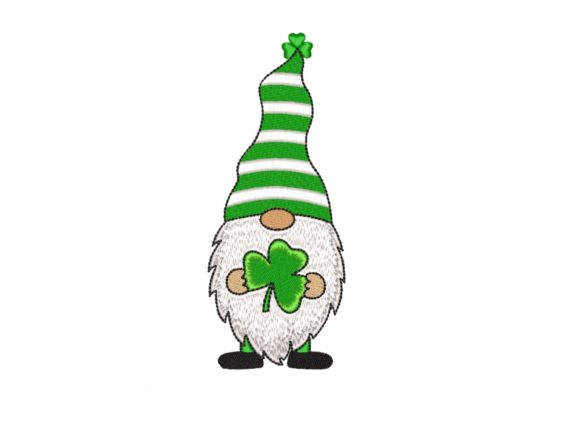
A Lucky St Patrick's Day Gnome Embroidery Review
As I sit down to plan my spring craft fair lineup, this St Patrick's Day Gnome embroidery file immediately jumps out. From a seller's perspective, it's not just a design; it's a potential product driver. Let's walk through a real-world evaluation, imagining it's already in my hoop and I'm deciding what to stitch for my booth next weekend.
First Impression: Festive, Sweet, and Market-Ready
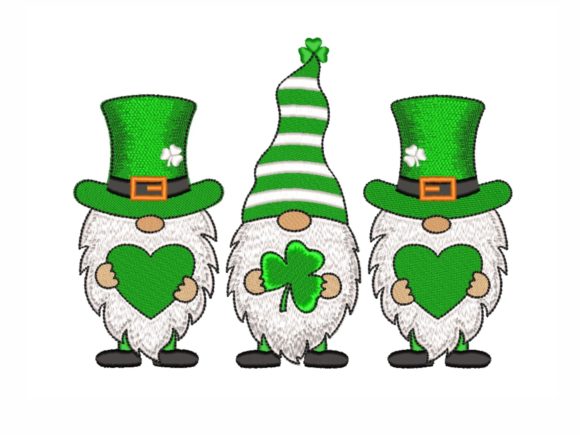
The description "colorful and sweet" is spot-on. This gnome design leans into the festive, approachable side of St Patrick's Day—not overly rustic or minimal. It feels decorative and giftable, which is exactly what customers browsing a handmade market are looking for. It has that "soft" premium touch that suggests handmade quality, but with a bold enough color palette to stand out on a crowded table. It doesn't try to be funny or elegant; it's firmly in the cute and celebratory camp, which is a reliable seller for seasonal events.
Where This Gnome Shines on Products
My mind goes straight to my typical craft fair inventory: tote bags, aprons, tea towels, caps, patches, and small pouches. Here’s how I see this design performing.
For tote bags and market bags, this St Patrick's Day Gnome would be a strong focal point. Its colorful composition is large enough to be appreciated from a few feet away, making it excellent for booth samples that catch eyes. On aprons and kitchen towels, it becomes more of a decorative accent. The festive theme pairs perfectly with these functional items, adding perceived value.
Embroidered patches are a huge seller, and this design, if the stitch density is manageable, could be fantastic as a standalone patch or applied to a beanie. However, I'd be cautious about tiny details shrinking down. Pillow covers are another great home decor option, turning the gnome into a seasonal statement piece. For caps, the curved surface requires a design that isn't too wide or dense; I'd need to check the gnome's proportions.
Perhaps the best application for quick, high-value sales? Small fabric pouches and tea towels. They're inexpensive to produce, easy to batch embroider, and customers see them as perfect, affordable St Patrick's Day gifts. This gnome’s sweet aesthetic directly supports that.
The Practical Production Checklist
Turning a digital embroidery file into a stack of sellable products requires a hard look at production realities.
First, design clarity at a glance. This gnome should be easily understood—a recognizable lucky symbol. That's good for fast customer decisions. For photography in online listings like Etsy, the colorful elements should photograph well, showing texture and thread contrast, which is vital for digital sellers.
Batch production feasibility is key. Is the design repeatable without exhausting my thread supply or requiring constant hoop changes? The mention of multiple embroidery file formats is a major plus here, as it allows me to use it across different machines. But I must check the specific hoop size recommendations and stitch density myself. Dense stitch areas on textured towels or thick fabrics like tote bag material can be tricky and may require testing stabilizer choices.
I also think about small accent vs. large focal use. This design seems versatile. It could be a central feature on a pillow or scaled down for a cap corner. Testing on scrap fabric in both sizes is non-negotiable to see if small lettering or intricate details lose clarity.
Careful Use Notes for Quality Results
Every experienced embroidery designer knows a good file can be ruined by poor execution, especially on craft fair products that need to look perfect in person.
- Dark fabric: A colorful gnome needs excellent thread contrast. Bright greens and whites on a black tote bag? Test it first.
- Textured towels: Kitchen towels have a loose weave. A robust stabilizer is essential to keep the design crisp.
- Curved cap surfaces: Hooping and stitching on curved baseball caps is specialized. Ensure the design file is compatible or adaptable.
- Tiny details: If the gnome has very small elements like facial features, they might pucker or vanish on rougher fabrics. A test run on a scrap of my intended product fabric is the only way to know.
These steps protect the handmade quality and visual appeal that directly affect customer attention and product value at my booth.
Impact on Sales, Display, and Brand
From a business owner's view, this St Patrick's Day Gnome affects several levels.
Customer Attention: Its festive, colorful nature creates a visual hotspot on my table. Among more subdued items, it draws eyes. Product Value: Applied to a well-made item like a linen tea towel or canvas tote, it elevates a simple object into a themed, desirable product, justifying a higher price point.
Booth Display Strength: Having a cohesive seasonal theme—like a cluster of gnome-embroidered items—makes my booth look professional and curated. Buyer Engagement: A cute, story-driven design (a lucky gnome!) invites conversation, which is gold for in-person sales.
Brand Consistency: If my small shop brand is about cheerful, handmade goods, this design fits seamlessly. If my aesthetic is more minimalist, it might require a careful pairing with simpler products.
Final Designer Notes Before the Fair
My action plan before I stitch anything for sale:
- Create at least one real mockup on the product I think will sell best (likely a tea towel or pouch). This is my booth sample and photo model.
- Test on scrap fabric identical to my final products to inspect puckering, density, and thread coverage.
- Check thread contrast against my planned fabric colors (will the greens pop on a cream towel? On a dark denim bag?).
- Review spacing and stitch density in the embroidery file preview to anticipate any production slowdowns.
- Confirm commercial licensing for the digital embroidery file. The description says it can be used for multiple purposes, but I must read the exact terms before selling finished products.
- Compare fabric colors in my inventory to choose the best backgrounds for this specific gnome palette.
By treating this St Patrick's Day Gnome not just as a file but as the heart of a potential product line, I maximize its chance to succeed. It has the festive appeal and sweet character that craft fair customers love, and with careful production, it can become a profitable part of my seasonal handmade offerings.