Snowdrop Lucky Charm: Honest Embroidery Design Review
Every so often a machine embroidery design lands on my desk that immediately sparks a dozen project ideas before I even load it into the software. Snowdrop Lucky Charm was exactly that kind of design. It arrived on a quiet Tuesday, and by Wednesday afternoon I had already stitched it onto a soft cotton tote bag as a birthday gift for a friend who needs a little extra luck this spring. The entire process, from first preview to finished product, gave me a clear sense of what this design can and cannot do, and I want to share that with fellow makers who are thinking about adding it to their embroidery project lineup.
What struck me first was the gentle, hopeful mood the design carries. Snowdrops are among the earliest flowers to bloom, often pushing through late winter snow, and they naturally symbolize resilience and fresh starts. The lucky charm theme amplifies that meaning without feeling gimmicky. The linework looked clean in my software preview, and the composition felt balanced, not too crowded, not too sparse, just right for a wearable or giftable piece. If you create handmade products that lean into nature-inspired or meaningful motifs, this design will resonate with the kind of buyer who values subtle symbolism over loud graphics.
First Impressions and Real-Life Testing
I test every embroidery file on at least two different fabric types before forming a solid opinion. For Snowdrop Lucky Charm, I chose a medium-weight cotton canvas tote bag and a pre-washed sweatshirt sleeve. The tote bag represented structured, non-stretch fabric, while the sweatshirt sleeve tested performance on a slightly stretchy, curved surface. Both tests used a medium-weight cutaway stabilizer and high-quality polyester thread, nothing fancy, just the workhorse supplies most craft business owners keep on hand.
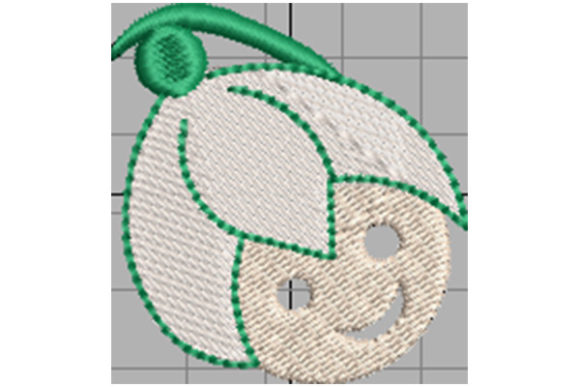
On the tote bag, the design stitched out beautifully. The satin stitch borders were crisp, and the fill stitch areas held consistent density. I noticed a few delicate running stitch details that gave the snowdrop petals a light, airy feel, exactly what you want from a floral embroidery design. The lucky charm element, a small hanging charm shape integrated into the layout, added just enough whimsy without overwhelming the botanical focus. My friend, who loves simple, earthy aesthetics, immediately asked if I could stitch another one on a pillow cover for her reading nook. That spontaneous customer reaction told me everything I needed to know about the design's giftability.
Where Snowdrop Lucky Charm Naturally Belongs
This embroidery design feels right at home on products that carry a sense of intention. I can easily picture it on a personalized gift like a monogrammed linen towel with the snowdrop motif tucked beside embroidered initials. It would also shine on baby clothes, a tiny onesie or a soft cotton beanie, where the lucky charm theme becomes an heirloom touch rather than a decorative afterthought. For small business owners and Etsy sellers, the design fits naturally into spring product launches, garden-inspired collections, and handmade items marketed toward customers who appreciate botanical embroidery.
Think about the following product categories where Snowdrop Lucky Charm would genuinely add value:
- Tote bag design: Clean canvas totes with simple embroidered motifs sell consistently at craft fairs and online marketplaces. This design sits perfectly in the bottom corner or center panel of a medium tote.
- Sweatshirt embroidery: Left chest placement on a crewneck sweatshirt creates a subtle, boutique-branded look. Buyers love tiny meaningful designs on everyday apparel.
- Pillow cover or tea towel: Kitchen towels and throw pillows with delicate floral embroidery attract home decor shoppers, especially around spring holidays and housewarming gift seasons.
- Baby embroidery: The snowdrop lucky charm feels incredibly appropriate for baby shower gifts, nursery decor, and newborn keepsakes. The small scale and gentle theme avoid any overstimulation for infant products.
- Embroidered patch: Stitch it on felt or twill backing, add a finished edge, and suddenly you have a standalone patch product that appeals to jacket decorators and craft enthusiasts.
Practical Limitations: Where You Should Be Careful
No design is perfect for every embroidery project, and Snowdrop Lucky Charm has some clear boundaries worth respecting. I would not recommend this design for extremely small hoop sizes, especially if you are working with a machine that struggles to maintain stitch density on compact layouts. The delicate petal details rely on fine running stitches and slender satin stitch outlines, which can lose clarity when shrunk below a certain threshold. If your hoop capacity is limited, stitch a test sample on scrap fabric before committing to a finished product.
Stretchy fabrics also demand extra attention. On my sweatshirt sleeve test, the design looked lovely after stitching, but I used a firm cutaway stabilizer and a topping film to keep the stitches from sinking into the knit texture. Without proper stabilizer choices, the curved surface of a sleeve or cap can distort those slender satin stitch lines and turn a crisp snowdrop into a blurry shape. For caps and structured hats, check the natural curve of the embroidery area and consider whether the design placement allows the lucky charm element to sit flat. It may work best centered on a beanie or flat cap panel rather than a deeply curved baseball cap side.
Dark fabrics require a careful thread color check before stitching the design as supplied. The default thread colors may assume a light or natural fabric background, and on dark denim or charcoal sweatshirt fabric, certain pale stitch areas could lose contrast. Flip the design in your software preview and test it against a black and white background to spot potential visibility issues. A quick thread color tweak before stitching saves time and materials.
For products that endure frequent washing, meaning kitchen towels, baby clothes, or everyday apparel, the stitch density and stabilizer combination must hold up. My cotton tote test went through three wash cycles and came out looking nearly unchanged, but I used a permanent stabilizer that remained fused to the fabric. If you plan to sell finished products with Snowdrop Lucky Charm, communicate care instructions clearly and build that durability into your production process.
How the Design Elevates Your Handmade Product Line
From a small shop product perspective, Snowdrop Lucky Charm adds something that generic floral designs often miss, a storytelling hook. That lucky charm detail gives customers an emotional reason to choose your product over a competitor's. When someone picks up a tea towel embroidered with this design at a craft fair, they are not just seeing a pretty flower. They see a token of hope, a small talisman stitched into something they will use every day. That perceived value translates directly into higher buyer engagement and stronger brand recall.
For digital product sellers and printable mockup creators, the design's clean composition photographs well and looks compelling in listing images. The snowdrop shape provides a clear focal point, and the charm motif creates visual interest that holds a browser's attention for an extra second. That extra second often decides whether a shopper clicks into your Etsy listing or scrolls past. If you bundle design assets or offer embroidery design packs, Snowdrop Lucky Charm pairs naturally with other spring floral motifs, woodland designs, and nature-inspired embroidery files.
Designer Notes and Pre-Stitch Recommendations
Before you load this embroidery design into your machine and hit start, here are the practical steps I recommend based on my testing:
- Test on scrap fabric first. Use a fabric piece similar to your final product, matched with the exact stabilizer and thread you plan to use for production runs.
- Review stitch density. In your embroidery software, examine whether the fill stitch areas are dense enough for your fabric type. On loosely woven fabrics, a slightly higher density prevents the backing from showing through.
- Check thread color contrast. Preview the design on light and dark backgrounds to confirm that every element remains visible. Small charm details can disappear on dark fabric if the thread choice stays unchanged.
- Confirm your hoop size. Snowdrop Lucky Charm should fit comfortably within standard medium hoops, but always verify the exact dimensions before assuming compatibility with your machine.
- Inspect small details. Zoom into the charm element and the narrowest petal outlines. Ask yourself whether those fine running stitch segments will read clearly on textured fabric or whether they need simplification.
- Use proper stabilizer depending on the fabric. Cutaway stabilizer for knits and stretch wovens, tear-away for stable woven fabrics, and a water-soluble topping for plush or textured surfaces like terry cloth towels.
- Understand the licensing terms. Before selling finished items or digital embroidery files containing this design, confirm whether the designer permits commercial embroidery use. Not every embroidery file includes the same usage rights, and assumptions here can hurt your craft business.
The Emotional Value Behind the Lucky Charm Theme
Something interesting happened during my testing that I did not expect. When I posted a quick photo of the stitched tote bag to my social media stories, several followers messaged me privately asking if I could make one for them too. The lucky charm concept resonated on a personal level, especially during a spring season when many people feel the urge to refresh, restart, and invite a little good fortune. That spontaneous interest reminded me why themed embroidery designs like Snowdrop Lucky Charm hold such practical power for creative entrepreneurs. They are not just decorative patterns. They are tiny conversation starters stitched onto everyday objects.
If you sell custom apparel, consider offering this design as a made-to-order option on sweatshirts and t-shirts, paired with a short product description that explains the snowdrop symbolism. If you create personalized gifts, stitch it onto a pillow cover with the recipient's initials and watch how the meaning multiplies. For holiday embroidery projects, this motif fits beautifully into spring gift collections, Easter market displays, and boutique product launches that celebrate renewal and fresh growth.
Final Thoughts From the Embroidery Room
After multiple test stitches and a few real-world product applications, I can say that Snowdrop Lucky Charm earns its place in a maker's design library. It stitches cleanly when paired with thoughtful stabilizer choices and proper hoop sizing, it speaks a design language that customers understand and appreciate, and it bridges the gap between floral embroidery and meaningful symbolic craft. The charm motif is light-handed enough to suit baby embroidery and polished enough for boutique branding.
My main caution fits neatly into a single sentence borrowed from years of embroidering for clients: test everything before you assume anything. Run that first stitch on scrap fabric, check the small details on dark and light backgrounds, and confirm that the license supports your intended commercial or personal use. Once those boxes are ticked, you have a versatile embroidery design that can elevate tote bags, sweatshirts, pillow covers, tea towels, and a long list of handmade products with equal grace. For a spring-themed machine embroidery design that carries a quiet message of luck and renewal, this one delivers where it counts.