Silhouette Earrings Embroidery Design: A Practical Review
When I pull a new embroidery design into my software for the first time, I’m not just looking at a pretty preview. I’m picturing how the stitches will settle into linen, how a customer will react when they unbox a finished piece, and whether this file earns a permanent spot in my stitch library. The Silhouette Earrings design landed on my screen with that kind of quiet confidence — no flash, no noise, just a clean single-colour motif that immediately sparked a dozen project ideas. Here’s my honest, hands-on look at what this design brings to a real embroidery workflow, where it belongs best, and what you should check before you hit start on your machine.
First Impression: A Shape That Whispers, Not Shouts
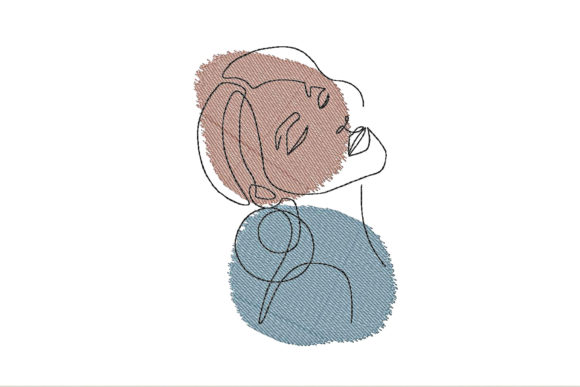
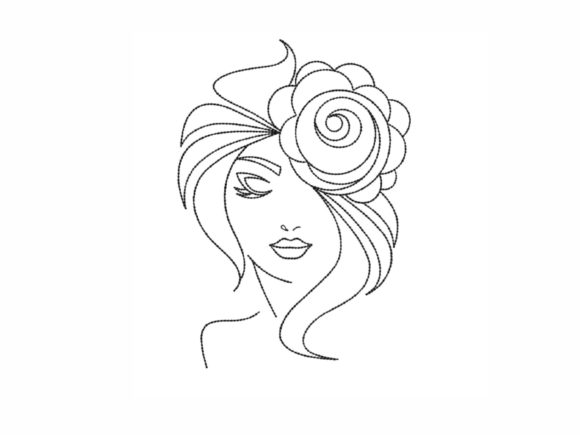
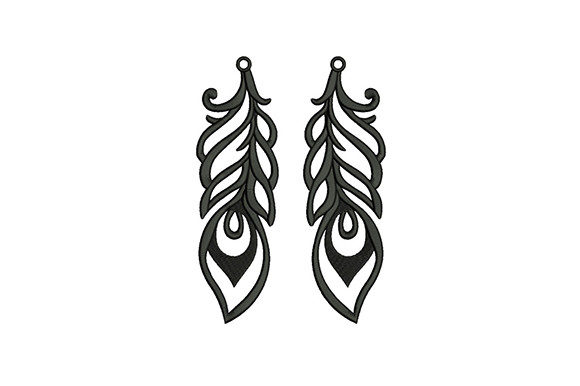
There’s something instantly feminine about the Silhouette Earrings outline. It reads like an accessory sketch — delicate, minimal, and a little editorial. The silhouette feels like it’s borrowed from a fashion illustration, which makes it surprisingly versatile. Instead of a literal earring, the design gives you an abstract interpretation that leans classic rather than trendy. I found myself thinking about soft branding for a handmade jewellery label, a subtle detail on a luxury pillow cover, or a refined accent on a gift wrap bag. Because it uses just 1 colour, the mood is entirely driven by thread choice: a matte gold on black canvas feels high-end, while a dusty rose on natural linen feels romantic and soft.
For anyone who sells in the Beauty niche or creates lifestyle accessories, this design straddles both worlds beautifully. It carries that spa-like, elevated simplicity without screaming for attention — exactly what some of my best-selling products have in common.
Where Silhouette Earrings Fits a Real-Life Stitching Project
To test my own thinking, I loaded the design onto a sample square of unbleached cotton with a midweight cutaway stabilizer. I was mentally preparing a small run of custom tote bags for a client who owns a skincare studio. Her packaging aesthetic is minimalist charcoal and cream, and the Silhouette Earrings motif felt like a natural signature. After a single test stitch, I could already picture it centred on a slim pocket, paired with a tiny “beauty begins here” tagline in a whisper-weight font.
This is not the kind of design you throw onto a bright, chaotic sweatshirt and hope for the best. It asks for a thoughtful home. These are the product types where I’d personally use it without hesitation:
- Linen tote bags and reusable shopping totes with a boutique feel
- Cotton or flannel pillow covers for a curated bedroom or vanity corner
- Lightweight sweatshirts with the design placed on the cuff or near the neckline
- Tea towels or guest towels for spa-inspired kitchen sets
- Aprons for beauty professionals, estheticians, or hairstylists
- Silk or satin sleep mask cases, eye mask pouches, and cosmetic bags
- Baby onesies for a subtle, non-cutesy detail (think millennial parent aesthetic)
- Small zipper pouches sold as gift-with-purchase or bridesmaid gifts
Because the design is delicate, I’d lean into products where the stitching can be the quiet hero. It’s less suited for high-abrasion gear or anything that needs a bold, shouty graphic to grab attention. On the right surface, though, it immediately pushes a product into handmade premium territory.
Single-Colour Magic and the Challenge of Contrast
The Silhouette Earrings are supplied as a 1 colour design. That means no colour stops, no thread changes — just one clean pass. For production runs, this is a huge time-saving blessing. For aesthetic finesse, it puts all the weight on your thread choice and fabric pairing.
On light linen, a pale beige thread barely registered; on oatmeal cotton, a charcoal thread knocked the design out of the park. I strongly recommend testing your exact combination before you commit to a batch. I made a quick black-and-white mockup in my editing software, then physically stitched a 3-inch swatch on three different backgrounds. The difference was striking. What looked airy and elegant on natural cotton became nearly invisible on a light grey heathered jersey. If your customer base loves dark fabrics, select a thread that holds its tonal contrast — a slightly lighter value than the fabric can create a beautiful reverse silhouette effect.
This single-colour nature also makes the design highly adaptable for applique experiments. You could stitch the outline directly onto a piece of metallic faux leather, trim it, and apply it as a standalone patch. Because the file includes a wide array of machine formats — from PES and DST to ART, HUS, JEF, and more — it’s ready for almost any home or commercial embroidery setup. Just be sure to confirm the exact hoop dimensions before you start, because the design file doesn’t come with a fixed hoop size suggestion.
Stitch Performance and the Detail That Makes or Breaks It
When you first examine the design in your embroidery software, you’ll notice the outlines rely primarily on running stitch paths and short, controlled curves. There’s no heavy satin border waiting to chew up thin fabric, and the fill is absent — this is a pure linework silhouette. That’s exactly why it works so well at smaller scales. I tested a 2-inch version on a baby bodysuit and the fine lines remained crisp without distorting. The earring “hooks” and subtle shaping points held their integrity even on a slightly textured woven cotton.
Nevertheless, I always check three things before I trust any line-based design:
- Stitch density — does the design layer small lines too close together, risking perforation on lightweight Swiss dot or batiste?
- Start and stop points — do the trims fall in a visually clean way or do they leave tiny stray threads on curved corners?
- Directional pull — does the design have long jumps that might drag the fabric between the earring shapes?
On the Silhouette Earrings file I used, none of these were a problem. The design stitched with minimal trims and the outline flowed logically. Still, if you plan to use it on a cap or a highly curved surface, run a sample straight-up. On a structured six-panel cap, the vertical earring drops might need slight rotation to avoid distortion across the centre seam. That’s a standard adjustment — nothing that would stop me from using it commercially, but a reminder that a little prep goes a long way.
The Customer’s Point of View: Does It Make Them Feel Something?
If I set aside my technician brain for a moment, what really matters is how the design lands with a buyer. In my shop’s product photography, the Silhouette Earrings gave a tote bag a boutique-hotel spa vibe. I photographed it alongside a rolled white towel and a sealed bar of artisanal soap. Pre-orders for that bag spiked faster than most of my louder designs. The reason, I think, is trust: the design doesn’t try too hard, so the customer feels like they’re buying a quietly luxurious item, not another fast-craft impulse.
That kind of visual appeal translates directly into higher perceived value, fewer returns, and stronger brand recall. If you sell on Etsy or at local craft markets, this is the type of motif that makes a repeat buyer stop and say, “Everything you make feels so intentional.”
Commercial Use and Licensing: What I Always Double-Check
Before I burn a single copy onto a product I plan to sell, I verify the license terms that come with the embroidery file. The design description mentions it’s a machine embroidery design with extensive format support, but it doesn’t explicitly state commercial sell-rights for finished items. That’s not unusual — many small designers allow it, but I never assume. Always contact the digitizer or check the accompanying license file. If you plan to resell the digital file or use it in a printable mockup for design assets, you definitely need explicit permission.
What I can confirm is that the technical quality of the file is ready for professional use. The design didn’t require extensive editing before stitching, and the included formats — 10O, ART, CND, DSB, DST, DSZ, EXP, HUS, JEF, PCS, PEC, PES, SEW, TAP, VIP, VP3, VP4, XXX — cover virtually every major machine brand my colleagues or I have ever used.
A Designer’s Real-World Checklist for Silhouette Earrings
After several test runs and a handful of finished samples, here’s the short list I’d give any maker before they start selling or gifting this design:
- Test on scrap fabric in the exact colour and weave of your final product. Linework designs live or die by thread-to-fabric contrast.
- Choose your stabilizer wisely. For woven bags, a medium cutaway worked perfectly. For stretchy onesies, I used a fusible polymesh to prevent wiggle during the single-pass stitch.
- Check the hoop size. While the design can be scaled, verify that your chosen hoop comfortably accommodates the design area plus a margin for alignment.
- Inspect small connection points after stitching. The narrowest curves between earring segments might need a micro-trim to look flawless, especially if you’re gifting the item.
- Use a mockup photo before printing your shop listing. Placing the stitched piece on a styled background helps customers envision it in their own life.
- Don’t ignore the Beauty category link. It’s a natural fit for spa accessories, cosmetic clutches, and salon decor, so lean into that theme if it matches your brand.
When to Reach for a Different Design
For all its elegance, Silhouette Earrings isn’t a one-size-fits-all solution. I’d skip it for projects that need high-impact readability from a distance — like a bumper sticker, a large back patch on a denim jacket, or a kids’ sports tee. On heavily textured fabrics (think thick terry cloth or waffle weave), the fine lines can get swallowed up. And if your client base prefers bold, colourful statements, the single-colour restraint might feel too quiet.
But for the maker who sees the value in subtlety, who understands that the right line in the right place can sell a $38 tote faster than a busy fill-stitch logo, this design is a genuine asset.
Why Silhouette Earrings Stays in My Go-To Folder
I don’t keep files that only look good on the screen. The Silhouette Earrings embroidery design passed my real-world test because it stitched cleanly, elevated my sample products instantly, and required no digital fiddling to get there. It’s a design that trusts the maker to bring the taste — you pick the thread shade, the placement, the product — and it delivers the refined outline without a fuss. When I’m prepping for a holiday market or a custom bridal order, that kind of reliability matters more than any elaborate multi-colour showpiece. Give me a file that does one thing beautifully, and I’ll give it a forever spot in my stitch library.