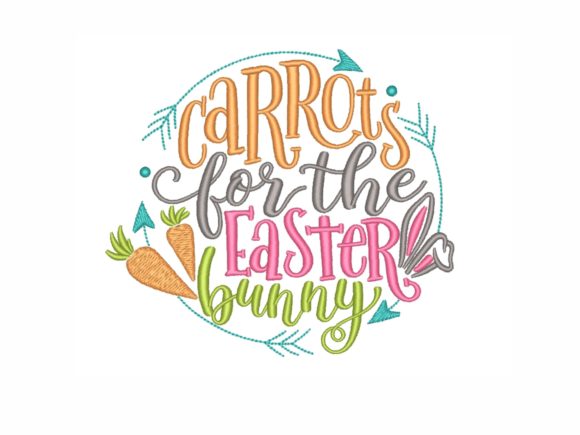
Reviewing Carrots for the Easter Bunny Embroidery Design
As an embroidery designer preparing for a weekend craft fair, every new design is judged by its potential to catch eyes, spark smiles, and ultimately, move from my booth to a customer’s hands. Today, I’m reviewing Carrots for the Easter Bunny, a digital embroidery file marketed for Easter, to see if it’s a worthy addition to my product lineup.
First Impression: Warm, Whimsical, and Handmade-Friendly
The title Carrots for the Easter Bunny immediately sets a warm, whimsical tone. This isn’t just an Easter motif; it’s a small story. The design feels cute, festive, and inherently handmade. It suggests tradition and playful preparation, which resonates deeply with customers at seasonal markets. It’s not overly rustic or aggressively modern; it sits perfectly in that sweet spot of decorative charm that appeals to a broad audience looking for a touch of holiday spirit.
Craft Fair Product Applications: Where It Shines
My booth table is a mix of functional, giftable items. Let’s evaluate where Carrots for the Easter Bunny would perform best.
First, kitchen linens. Embroidered on a crisp, white tea towel or a rustic apron, this design becomes an instant conversation starter. It’s perfectly suited for the kitchen—the place where one might actually “prepare carrots.” The scale needs to be right: a medium-sized placement near a hem or corner works beautifully.
Tote bags and market bags are another prime candidate. A single, well-placed carrot cluster on a canvas tote adds seasonal flair without overwhelming the bag’s utility. It makes the product feel like a special, limited-edition item for spring.
For smaller, quicker-to-produce items, embroidered patches and fabric pouches are excellent. A patch with this design can be applied to various items, offering versatility. A small linen pouch with the embroidery becomes a perfect Easter gift bag for a child’s treats.
Pillow covers might be a stretch unless the design is enlarged significantly, but a set of decorative pillow covers for a spring living space could work if the file includes a larger version.
One of my golden rules for craft fair products: always have a “booth sample”. A beautifully embroidered tea towel or tote bag with Carrots for the Easter Bunny displayed prominently on my table acts as a live mockup. Customers can touch the stitches, see the thread colors, and immediately understand the quality.
Visual Clarity and Batch Production
The design’s concept is simple and easy to understand at a glance—a huge advantage for a busy fair. Customers don’t need an explanation; they see carrots and Easter. This visual clarity also translates to online listings for Etsy sellers. It photographs well, especially on lighter fabrics where the contrast is strong.
For batch production, the design appears repeatable. If the stitch count isn’t excessively high and the hoop size is manageable (likely in the small to medium range), stitching it multiple times on a series of tea towels or pouches should be efficient. I always advise: check the included file details for exact hoop sizes and stitch counts before planning a production run.
Careful-Use Notes for the Embroidery Crafter
Any design with potential small details or lettering (the description mentions “stitch this lovely digital embroidery next to them”) requires attention. If the file includes tiny text, be cautious. On textured fabrics like terrycloth towels or on curved surfaces like caps, small lettering can lose clarity. Test first.
Stitch density is key. Dense areas in the carrot tops or outlines might require a good stabilizer choice, especially on lighter-weight bags or pouches to prevent puckering. Always test on scrap fabric first, matching your final product’s material as closely as possible.
Thread color contrast is everything. On dark fabric, this likely cheerful, bright design may need very bold thread choices or might not be suitable. It feels ideally destined for light, natural, or pastel backgrounds. Compare fabric colors thoughtfully before hooping.
Impact on Customer Attention and Product Value
At a craft fair, Carrots for the Easter Bunny acts as a seasonal magnet. It draws in customers looking for Easter-specific decor or gifts. On a product, it elevates a simple tea towel from a utilitarian object to a handmade, seasonal keepsake. This perceived value allows for a slight premium in pricing, reflecting the handmade embroidery work.
For brand consistency, if your small shop focuses on holiday or kitchen-themed items, this design seamlessly strengthens that niche. It adds a specific product for your spring collection, making your booth display look curated and thoughtful.
Buyer engagement is high with relatable, story-driven designs like this. It invites a smile and often a comment, opening a dialogue. That personal connection is what turns a viewer into a buyer.
Final Designer Notes Before the Fair
To successfully turn Carrots for the Easter Bunny into sellable craft fair products, my checklist is straightforward.
- Create at least one real, physical mockup on your intended primary product (e.g., a tea towel). This is your quality control and your best sales tool.
- Review the embroidery file thoroughly. Confirm it includes the formats you need for your machine and check any available details on thread color suggestions.
- Inspect the design spacing in your software. Ensure elements aren’t too close for your chosen hoop size, which could affect stitch integrity.
- Confirm commercial licensing if you’re selling finished products. The product description should clarify this; if not, verify with the designer or distributor before selling any items.
- Plan your booth display. Group products featuring this design together to create a strong visual theme. A small basket of “Easter Bunny Ready” embroidered pouches can be incredibly enticing.
In conclusion, Carrots for the Easter Bunny presents a strong opportunity for craft fair sellers and embroidery business owners. Its warm, whimsical theme, coupled with its versatility across popular handmade products like towels, totes, and patches, makes it a design worth hooping. With careful attention to fabric choice, stitch testing, and clear commercial rights, it can become a festive, profitable part of your spring market lineup.