Interlocking Gears: A Designer’s Test for Personalised Gifts
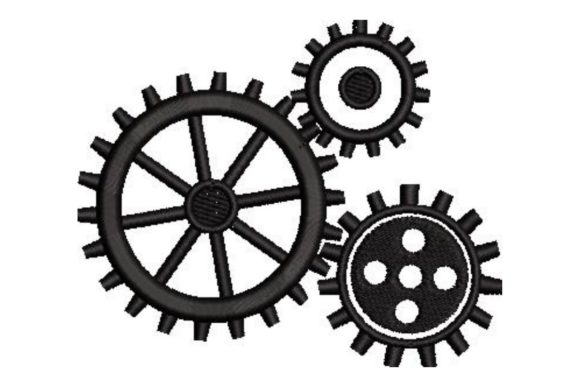
The moment I opened the Interlocking Gears machine embroidery design, I knew exactly which corner of my gift shop it would fit into. There is a quiet charm in mechanical motifs, something that speaks of precision, problem‑solving, and the kind of patience only hands‑on makers truly appreciate. It is not a soft, whimsical pattern; it brings a steady, grounded energy. That first impression felt like a workshop in motion, two cogs caught mid‑turn, frozen in thread. For anyone stitching gifts for mechanics, engineers, or tinkerers, this one promises more than decoration. It tells a story.
I ran my first test on a simple cotton t‑shirt, the kind of blank I keep for quick client previews. Right away the interplay of lines reminded me of a well‑oiled machine. The design holds a certain rhythm, a boldness balanced by enough fine detail to catch light without overwhelming the eye. I wanted to see how that translated into an emotional gift. In my head, I was already picturing a retirement keepsake for a factory supervisor, a thank‑you towel for a motorcycle mechanic, maybe even a witty pillow cover for a student heading to engineering school. The personalised gift possibilities rolled out faster than I could hoop fabric.
Why Interlocking Gears Works So Well for Gift Embroidery
Not every embroidery file carries the same weight. Some designs are purely decorative; others, like this one, feel personal even before you add a name. The interlocking motif implies connection, teamwork, and drive. When a customer asks for a meaningful present, I often steer them toward designs that symbolise something larger. A set of interlocking gears naturally suggests collaboration, reliability, or a fondness for how things work. That emotional hook alone can turn a simple embroidered towel into a cherished handmade product.
From a small shop perspective, this design also photographs beautifully. The clean lines create depth that even a phone camera picks up, helping your printable mockup and real‑life product shots stand out on Etsy or social media. I tried a few angled shots on a folded denim jacket and a flat‑lay on a kitchen towel; the contrast of metallic‑toned thread against textured fabric gave me that high‑value look buyers crave. Perceived value rises when a design looks intricate but stitches out cleanly, and that blend is exactly what I found here.
Choosing the Perfect Product for Your Embroidered Gear Motif
When I plan a new custom embroidery listing, I test several blanks. Here is what worked, what needed caution, and where this design will earn its place in my collection.
Cotton T‑Shirts, Tote Bags, and Aprons
Sturdy, medium‑weight cotton gave me my favourite result. A classic unisex tee in heather grey showed off the gear teeth with zero distortion. I used a cutaway stabiliser and a slightly slower machine speed to protect the small inner gaps. A canvas tote bag handled the stitching equally well, and the design’s width (be sure to check your hoop size before finalising) sat nicely centred without warping. For an apron, I stitched the gears on the bib, adding a monogram above. That combination – a custom name and the interlocking motif – made the apron feel like a premium gift for an engineer. Small shop product appeal skyrockets when you can personalise a design without hiding its best features.
Kitchen Towels and Pillow Covers
An embroidered towel demanded more care. The loops of a terry towel can swallow fine details, so I used a water‑soluble topping and a sharp 75/11 needle. On a smooth flour‑sack towel, the gears stitched beautifully, with only minimal push‑through. For luck, I paired charcoal thread with a light grey towel; a high‑contrast thread color saved the day. With pillow covers, especially linen blends, the design added a polished, modern industrial accent. One test on a dark navy pillowcase revealed a useful truth: buy a test piece of your chosen fabric before committing, because dark backgrounds can hide the subtleties if your thread is too close in tone.
Stretch and Delicate Fabrics
Stretchy baby clothes? Not my first recommendation. The compact structure of Interlocking Gears has fine internal voids that might pucker on a onesie unless you are expert with adhesive backing. I did try it on a baby blanket made of fluffy minky, purely to push limits. I got a soft, textured result, but lost some crispness in the teeth. For nursery items, I would save this design for a supportive woven blanket or a wall hanging rather than anything that needs frequent washing on a delicate cycle. If a customer requests it for a child’s gift, I would suggest a canvas rucksack or a sturdy book bag instead.
Practical Stitching Advice for Shop Owners and Crafters
Before you offer Interlocking Gears on a finished product, take these steps. They will save you time, hoarded stabiliser, and a few frustrated sighs.
- Test on scrap fabric first. Run a sample using the same thread, stabiliser, and backing you plan to sell. What looks good on screen may stitch tighter or looser in real thread.
- Carefully review stitch density. This design has open areas that rely on neat outlining. If your machine’s tension is off, the gears lose their bite. Adjust tension and check underlay before a full run.
- Confirm hoop size. Because the product description mentions it comes with multiple embroidery elements, double‑check the overall dimensions and make sure your most popular hoops accommodate the design comfortably. A squeezed‑in stitchout will warp.
- Choose the right stabiliser. For non‑stretch fabrics, a medium‑weight tear‑away or cutaway worked well. On thicker towels, a combination of cutaway and water‑soluble topping gave reliable results.
- Contrast thread colors thoughtfully. I tested silver metallic, copper, charcoal, and even a matte mustard. Each one shifted the mood. A metallic thread instantly lifted the design’s giftability, but I made sure it was a high‑quality embroidery thread that resisted snapping under high speed.
- Light versus dark fabric mockups. A mock‑up on white cotton looked chunky and mechanical. On slate blue or heathered grey, the gears emerged with crisp, confident edges. Always photograph both to show customers their options.
- Inspect small details after stitching. I used a magnifying glass to check the inner pegs. A clean stitchout there tells you the digital embroidery file was digitised with care. If you spot gaps, adjust density or underlay rather than blaming the design.
What Kind of Buyer Will Fall in Love With This Design
Not everyone wants a floral monogram. The person who stops in their tracks when they see Interlocking Gears is usually looking for something smart, no‑nonsense, and quietly clever. Think about the husband whose toolbox is his happy place, the daughter graduating in mechanical engineering, the best friend who rebuilds vintage motorcycles, or even a grandfather who still tinkers in the garage. A wedding gift for a couple who met in a robotics lab? Yes, I have already added that to my shop’s suggestion list.
And while the design leans industrial, it can soften with context. One of my favourite test pieces was a simple linen cushion stitched in warm tan thread, placed on a reading chair. It felt modern rustic, not heavy. This adaptability makes it a candidate for blanket embroidery corners, throw pillow gifts, or even a personalised workshop stool cover. The versatility surprised me, and it will surprise your buyers too.
Giftability, Photography, and Etsy‑Ready Appeal
If you are an Etsy seller or run a small shop product line, you already know that a listing lives and dies by its photography. The layered structure of Interlocking Gears gives you natural shadows and highlights to play with. I snapped pictures on a folded flannel shirt, a rolled‑up towel, and a flat‑lay with a vintage ruler. Every composition told a slightly different story. The emotional connection is immediate: gears mean motion, reliability, and heart. That story lifts a simple finished product into something a customer is proud to give.
Remember to note your commercial embroidery rights clearly. If the design comes with a commercial license, you can sell finished items without worry. If you only hold a personal use license, keep the stitchouts as gifts or donation pieces. Always respect the digitizer’s terms. And when you write your product description, use language like "ready‑to‑ship personalised gear towel" or "custom embroidered mechanic hoodie" to boost search visibility. Pairing the right keywords with high‑quality stitches builds customer trust faster than any discount.
A Few Cautions to Keep Handmade Quality High
Not every blank will be your friend. Thick, looped terry towels, as I found, require topping and patience. Extremely stretchy baby clothing is a gamble; consider a woven patch sewn on instead. Curved surfaces like a finished baseball cap demanded more careful hooping to avoid slipping, but a flat bill cap took the design cleanly. Dark fabrics, while dramatic, need lighter thread to keep the gear details visible, and you may need an extra layer of backing to prevent the dark fibres from peeking through.
Frequent washing is another real‑world factor. I washed a test t‑shirt five times and checked the stitch integrity. With proper cutaway stabiliser, the gears held strong. However, avoid thin, cheap threads that might fray quickly. Your customer wants to wear that mechanic‑inspired tee for years, not months. High‑quality thread and solid digitising make a practical difference you can honestly celebrate in your shop.
From Test Stitch to Meaningful Gift
Every time I prepare a new machine embroidery design for my client catalog, I ask myself, "Would I wrap this up and hand it to someone I love?" For Interlocking Gears, the answer came easily. It fills a niche that is frequently overlooked, the space where heartfelt gifts meet a love for all things mechanical. Whether you are stitching a baby embroidery token for a future engineer’s nursery, a wedding gift for a couple that adores vintage manufacturing, or a simple custom embroidery tee that says "I get you," this design carries the weight of thoughtfulness without being heavy.
I would recommend adding it to your core collection of embroidery file options. Rotate it with seasonal favourites and watch which thread colours catch the most attention. For me, rich copper and deep iron grey became instant bestsellers. Be sure to double‑check all specifications, including hoop size and format, before your first customer order. Once you do, you will find that Interlocking Gears turns an ordinary blank into a quiet statement of skill, heart, and the machinery that connects us all.