Boo Hat: A Halloween Embroidery Designer's Hands-On Review
As someone who designs and stitches personalized gifts every day, my process always begins with a thorough review. Before I ever put a new embroidery design onto a customer’s cherished item—whether it’s a baby blanket awaiting its first Halloween or a kitchen towel meant for a festive hostess gift—I test it. I consider its charm, its technical performance, and its ultimate giftability. Today, I’m looking at Boo Hat, a fun and playful Halloween embroidery design.
The First Stitch: Assessing Mood and Emotional Appeal
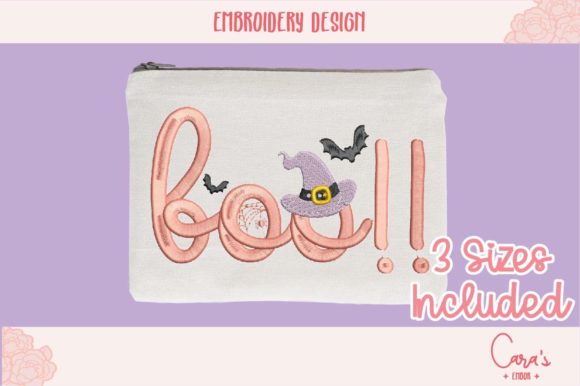
Opening the embroidery file, the immediate impression is one of playful charm. The central “Boo” text is classic, but the surrounding elements—the witch hat, bats, and spider web—create a delightful, storybook feel. It doesn’t lean toward scary or overly elegant; it feels sweet, handmade, and perfectly seasonal. This emotional tone is crucial. For a personalized gift, especially for things like nursery decor or a family keepsake pillow, the design needs to evoke a warm, festive memory, not just act as a decoration. Boo Hat achieves this with a balance of classic Halloween icons and a friendly presentation.
This mood opens up a wide range of applications. I immediately envisioned it stitched onto the corner of a baby’s first Halloween blanket, or as a whimsical accent on a personalized towel for a Halloween-themed kitchen. For wedding gifts, if the couple enjoys a playful, seasonal celebration, this could be a wonderful touch on a custom tote bag or apron for their autumn festivities. The design feels versatile enough for craft fair products and Etsy listings, appealing to customers looking for that specific handmade, joyful Halloween aesthetic.
Practical Application: From Digital File to Finished Product
The real test of any machine embroidery design is how it translates from screen to fabric. For Boo Hat, planning its use requires some thoughtful consideration. The description mentions details like bats and a spider web, which suggests smaller, delicate elements. On fabrics like thick towels or textured blankets, these details will need proper stabilizer and possibly a slower stitch speed to ensure clarity. On stretchy baby clothes or curved surfaces like a hat, extra stabilization is key to prevent distortion.
My standard practice for a design like this is to always, always test on scrap fabric first. I would run two primary tests: one on a light-colored fabric and one on a dark background. Thread color contrast is vital; a design with this much charm can lose its impact if the thread blends into the fabric. After stitching, I meticulously check the small details—the points of the bats, the lines of the web—to ensure they are clean and not lost in the stitch density.
Where This Design Shines and Where to Proceed with Care
Boo Hat would be stunning on products where the fabric is stable and the surface is flat. Pillow covers, aprons, and tote bags are ideal candidates. The design would elevate a simple pillow into a seasonal keepsake. For baby embroidery, such as on a nursery wall hanging or a specially made outfit, it creates a beautiful, personalized touch. However, on fabrics with a pronounced texture or on items that will undergo frequent washing—like kitchen towels—it’s essential to use durable threads and a robust stabilizer to maintain the design’s integrity over time. The perceived value of a handmade product hinges on its longevity.
The Giftability Factor: Building Customer Trust and Engagement
When I evaluate a design for my shop or for a custom order, I think about the final recipient. How will they feel when they receive it? Boo Hat has a strong giftability factor. Its playful yet classic style makes it suitable for many relationships: a grandmother making a gift for a grandchild, a friend creating a unique hostess gift, or a small business owner offering a seasonal bestseller. The emotional connection is clear—it’s festive, personal, and handmade.
This directly affects product photography and buyer engagement. In an Etsy listing or a custom order preview, showing this design on a beautifully staged pillow or blanket can immediately convey its quality and charm. For a customer browsing for a personalized Halloween gift, seeing Boo Hat applied to real products builds trust. They can visualize it on their own intended item, which is half the battle in selling custom embroidery. The design feels complete and professional, which translates to confidence in the finished product.
Essential Embroidery Notes for Shop Owners and Crafters
Before committing Boo Hat to a real customer order, my checklist is practical. First, confirm the hoop size required from the embroidery file itself. This determines which products you can realistically stitch it on. A design meant for a small hoop might be perfect for a baby bib, but unsuitable for a large blanket. Second, review the stitch density in your test run. Too dense on a thin fabric can cause puckering; too sparse on a towel might look faint.
Always compare your light and dark fabric mockups. This isn’t just about thread color, but about how the design’s mood changes on different backgrounds. On a dark fabric, the playful “Boo” might pop more dramatically, creating a different product appeal. Finally, a critical step for anyone selling finished products: confirm the commercial licensing terms of the digital embroidery file. This is a must-do before offering embroidered towels, pillow covers, or any other small shop product at a craft fair or online. It protects your business and respects the designer’s work.
A Final Word for Personalized Gift Creators
Boo Hat, from my designer’s perspective, is a charming and versatile addition to a Halloween-themed product line. Its strength is in its emotional appeal and its classic, cohesive composition. For embroidery makers creating baby embroidery, wedding gifts, or simply seasonal home decor, it offers a ready-made solution that feels personal once stitched onto a chosen item. The key to success, as always, lies in the meticulous preparation: testing, stabilizing, and thoughtfully pairing it with the right fabric and product. When done correctly, this design can transform a simple blanket or towel into a meaningful, festive keepsake that customers will cherish—and that’s the ultimate goal of any personalized gift.