A Designer's Take on the Mini Heart Embroidery Design
The Quiet Charm of a Simple Heart
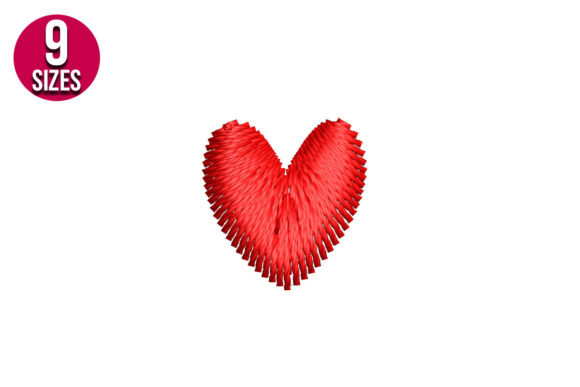
When I first opened the Mini Heart embroidery file, its appeal was immediate. It’s a classic, unassuming shape—a straightforward heart motif without extra frills. This isn't a design shouting for attention; it whispers a romantic, gentle mood. The clean lines promise a crisp satin stitch outline, likely with a tidy fill stitch inside, creating a solid, polished little emblem. Its visual personality is sweet and universally recognizable, which makes it a versatile asset rather than just a Valentine's Day specialty. It naturally belongs to projects that need a touch of heartfelt sincerity, not just holiday-specific flash.
Where the Mini Heart Finds Its Home
In practical use, this design’s strength is its adaptability. I envision it perfectly scaled for a custom-ordered baby onesie, positioned neatly near the collar. It would become a cherished personalized gift. For a small business owner, it’s an ideal accent on a linen apron or a cotton kitchen towel, adding value to simple handmade products. As an Etsy seller, I’d use it to create a series of embroidered tote bags—each with a single, subtle heart—for a cohesive, boutique-style collection.
The design shines on caps and hats, where its compact size fits the curved surface without distortion. As a potential embroidered patch, it’s straightforward to finish and apply. For apparel decorators, it’s a safe bet for a client’s sweatshirt or t-shirt pocket, a minimal detail that elevates basic apparel. In my own craft fair preparations, I’d pair it with simple text on pillow covers for a quick, giftable finished product. It’s a reliable choice for nursery decor, wedding gifts, or any small shop merchandise where the message is understated love.
A Few Careful Considerations Before Stitching
While versatile, the Mini Heart requires thoughtful application. On very textured fabrics like some sweaters, the clean heart shape might lose definition if stabilizer isn’t chosen carefully. On thin or stretchy fabrics, that potential internal fill stitch density needs to be balanced to prevent puckering. I’d be cautious on dark fabric backgrounds; testing thread color contrast on scrap fabric first is crucial—a pale pink heart on black denim might need a brighter hue or even a white underlay to pop.
Its small scale means it’s suitable for smaller hoop sizes, which is great, but those tiny corners and curves need inspection after a test stitch-out. Any minute imperfections in the file’s detail will be noticeable. For products destined for frequent washing, like baby items or kitchen linens, ensuring the stitch structure is robust is key for longevity and customer trust.
The Real Impact on Your Project and Business
From a professional standpoint, the Mini Heart affects more than just aesthetics. Its clarity and crisp execution directly influence perceived product value. A well-stitched, clean heart on a tote bag design makes the entire item feel more professionally crafted. For your brand, if you specialize in romantic or heartfelt goods, this design can become a consistent visual accent, aiding brand recognition.
Its giftability is high because it’s universally understood and avoids being overly seasonal. In digital product mockups or printable mockups for your online shop, a simple heart renders clearly and attracts buyers looking for a timeless, not trendy, emblem. For commercial embroidery projects, it’s a safe, scalable asset. However, its simplicity also means you might need to pair it with other elements or customization to stand out in a crowded marketplace.
Practical Notes from the Hoop
Before committing this design to a client’s project or your own merchandise, my routine is always the same. Stitch it out on a scrap of the actual project fabric. This reveals the true stitch density, how the thread colors interact with your material, and whether any small details need adjustment. I run it in both a light and dark fabric background test to plan for variations.
Always confirm the exact hoop size requirement and machine embroidery file formats from the distributor before starting. Use the appropriate stabilizer for your fabric texture—this is non-negotiable for a clean finish. Importantly, check the licensing terms. If you’re selling the finished product—like embroidered sweatshirts or baby embroidery items—or using the file as a digital design asset in your craft business, clear commercial use rights are essential. Never assume.
Final Thoughts: A Trusty Tool in the Designer’s Kit
The Mini Heart embroidery design is, in essence, a reliable tool. It won’t be the star of every project, but it will be a dependable supporting actor. It adds a lovely romantic touch exactly as described, but its use extends far beyond Valentine's Day creations. It’s for any fabric that needs some love, and for any maker who needs a sincere, well-executed motif. In the hands of a thoughtful designer or small business owner, this cute little heart becomes more than a design; it becomes a consistent marker of quality and a quiet connector between your handmade product and your customer’s emotion.