A Cute & Clever Design for Real Estate Professionals
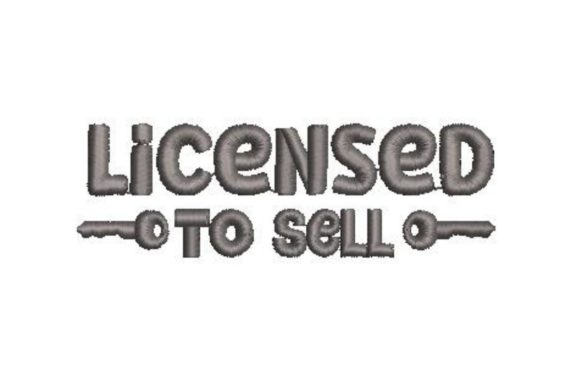
Looking at this Licensed to Sell embroidery design for the first time, I smile. Its charm is immediate. It’s not a stern, corporate logo; it’s friendly and approachable. The playful lettering and thematic elements create a mood of lighthearted professionalism—perfect for celebrating someone’s hard work in the real estate world without feeling overly formal. This isn’t a design meant for a corporate polo; it belongs on something more personal, a gift that feels thoughtful and handmade.
The Kind of Projects This Design Naturally Calls For
When I consider where to stitch this, my mind goes straight to personalized gifts and boutique-style merchandise. That product description hint—“you can offer it as a gift to your friends if they sell houses”—is spot on. This is a celebratory design. I’d immediately think of a high-quality, soft cotton t-shirt or a cozy sweatshirt for a newly licensed agent. A tote bag for carrying documents or a neat apron for a broker who loves to host client gatherings could also be wonderful. For a smaller, quicker project, turning it into an embroidered patch to attach to a laptop bag or a nice pillow cover for a home office would be lovely.
The visual personality is cute and clean. It likely uses a mix of satin stitches for lettering and fill stitches for any decorative elements, giving it a solid, readable presence. This clarity makes it excellent for custom apparel where the message needs to be understood easily. For an Etsy seller or small shop owner focusing on niche gifts for professionals, this could be a standout item in their holiday gift or personalized product lineup.
Stitching It Into Reality: Practical Performance Notes
Moving from the idea to the actual embroidery project requires some practical thinking. This design, with its likely combination of text and motifs, needs a considered approach to ensure it looks great on the final product.
First, fabric choice is key. Because it’s a celebratory design, you’ll want nice substrates. A premium t-shirt, a heavyweight cotton tote, or a smooth quilting cotton for a pillow cover are excellent choices. I would be cautious about very stretchy or textured fabrics without proper testing, as small lettering details could lose clarity. On dark fabrics, the thread color contrast becomes paramount—you’d want to test the design in a black and white mockup digitally first to ensure the elements pop.
For items like caps or curved surfaces, you must consider the design’s layout. Does it have wide, dense areas that might pucker on a curved seam? It’s wise to test the design on scrap fabric first, using the same stabilizer and hoop size you intend for the final project. This reveals everything: stitch density issues, whether tiny details like small stars or icons stitch cleanly, and how the overall balance looks.
Where This Design Requires Extra Care
Any design with text demands attention in certain applications. If you plan to stitch this onto baby clothes or delicate items like thin linen tea towels, the stitch density might be too high for the lightweight fabric, leading to stiffness or shadowing. Similarly, on layered garments like hooded sweatshirts where the embroidery sits over a seam, the design’s registration needs to be perfect.
The product description mentions it comes with multiple embroidery files. This is fantastic for flexibility. It likely means different sizes or perhaps variations. Hoop size selection here is critical. You must confirm the actual dimensions of the files provided. Don’t assume a small 4x4 inch design will look crisp on a large 8x8 inch area; it will look sparse. Match the design size to the intended project scale. For a small patch, a smaller file is ideal. For a central motif on an adult sweatshirt, a larger file would be better.
How This Embroidery Design Adds Value to Your Work
From a craft business perspective, Licensed to Sell is more than just an embroidery file; it’s a design asset with clear market appeal. Its niche focus (real estate) gives you a targeted customer: colleagues, friends, family looking for a perfect closing gift, or agents themselves wanting branded merchandise that’s not generic.
When stitched well on a quality item, it elevates the perceived value. A clean, cheerful embroidery on a nice sweatshirt feels like a premium handmade product, increasing customer trust and engagement compared to a plain printed item. For a creative entrepreneur, it supports brand consistency if you specialize in professional celebration gifts. Its giftability is high—it’s recognizable, personal, and carries a positive message.
In a commercial embroidery context, such as producing a batch of tote bags for a local realtor’s office, this design offers a friendly, professional touch that aligns with modern branding aesthetics.
Essential Designer Checks Before You Stitch or Sell
Before loading this machine embroidery design onto your machine for a client project or listing a finished product in your shop, do your due diligence.
- Always stitch a sample on a scrap of your final fabric. Check thread color contrast, especially for light-on-dark or dark-on-light scenarios.
- Review the stitch density by feeling the sample. Is it too stiff for a comfortable t-shirt? Adjust stabilizer accordingly.
- Inspect the small details after stitching. Are all the letters clean? Do any decorative accents like running stitches align properly?
- Crucially, confirm the licensing terms of the design file. The description doesn’t specify. You must verify if it’s licensed for personal use only, or if you can sell the finished physical products (like embroidered totes or shirts) or even the digital file itself. Never assume.
- For selling finished items, having a printable mockup of your product with this embroidery design helps buyers visualize it instantly.
Ultimately, Licensed to Sell is a charming, well-themed design that, with practical preparation and careful project selection, can translate into delightful embroidered gifts and products. It fills a specific niche with a warm, congratulatory tone. By focusing on quality substrates, testing for clarity, and ensuring proper commercial use rights, you can turn this cute digital embroidery file into a finished product that truly feels special—whether for a friend who just passed their real estate exam or for customers in your own creative small shop.